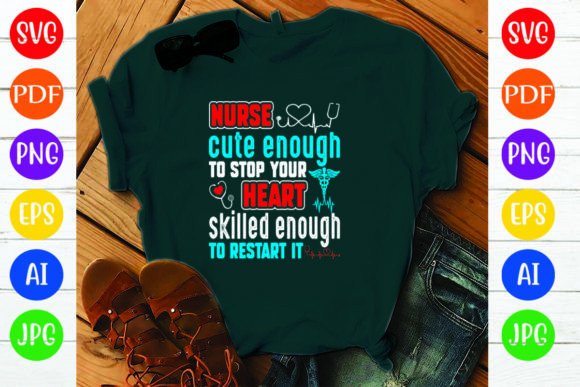
Review: Nurse Cute Enough to Stop Your Heart Ski Design
As a designer who has spent years digitizing and testing machine embroidery design files for clients, I have learned that not every cute graphic translates well to thread. When I first encountered the Nurse Cute Enough to Stop Your Heart Ski file, my initial reaction was curiosity mixed with professional caution. The concept is playful, merging medical themes with winter sports, which creates a unique niche appeal. However, the real test is never how it looks on a screen, but how it behaves under the needle.
In this review, I am evaluating this Graphics asset from the perspective of practical application. I want to know if it holds up in a real-world embroidery project, whether it suits a craft business looking for unique inventory, and how it performs on various textiles. Let’s dive into the details.
First Impressions and Visual Personality
The mood of this design is lighthearted and whimsical. It avoids the sterile look often associated with medical imagery, opting instead for a charming aesthetic that feels approachable. For an Etsy seller or small shop product creator, this visual personality is crucial. It signals that the item is a fun, personalized gift rather than a uniform piece. The layout appears balanced, which is essential for maintaining structural integrity during stitching. If the elements are too spread out, you risk registration issues; if they are too dense, the fabric may pucker. From a distance, the silhouette reads clearly, which is a good sign for items viewed from afar, like jackets or tote bags.
Real-World Application: The Custom Sweatshirt Test
To truly understand the value of this digital embroidery file, I imagined a specific scenario: a custom order for a nurse who loves skiing. The client wanted a sweatshirt embroidery piece that was subtle yet recognizable. This design fits that brief perfectly. Unlike complex photographic prints, this vector-based style allows for clean lines that stand out against the textured surface of fleece or cotton blends.
When planning this custom apparel piece, I considered the placement. Chest-left placement is standard, but for a design with this level of character, a larger back print could make a bold statement. The key here is scalability. Since the package includes formats like AI, EPS, SVG, and PDF, you have the flexibility to resize the artwork before converting it into stitches. This is a significant advantage for design assets that need to adapt to different hoop size constraints. Whether you are working with a 4x4 inch hoop for a pocket patch or a 5x7 inch hoop for a full chest design, the ability to adjust the scale without losing vector clarity is invaluable.
Fabric Considerations and Stitching Clarity
One of the most critical aspects of any embroidery file is how it interacts with fabric texture. For this design, I recommend avoiding extremely thin or stretchy fabrics unless you are an experienced stabilizer expert. The playful nature of the design suggests it would work best on medium-weight cotton, denim, or canvas. These materials provide a stable foundation for both satin stitch borders and fill stitch areas.
If you are using this for a tote bag design, the durability of the stitch-out is paramount. Tote bags undergo frequent washing and heavy use. You must ensure that your stitch density is optimized. Too dense, and the bag becomes stiff; too sparse, and the underlying fabric shows through, ruining the visual appeal. I advise running a test stitch on scrap fabric identical to your final material. Check the tension and ensure that small details do not get lost in the weave.
For baby embroidery projects, such as a onesie or bib, extra care is needed. Softness is key. You might need to adjust the underlay stitches to prevent scratchiness against sensitive skin. Additionally, consider using a cut-away stabilizer for long-lasting durability on garments that will be washed repeatedly.
Color Strategy and Thread Selection
The description notes that you can change the design color, which is true for the vector files provided. However, in embroidery, color choice dictates readability. For a holiday embroidery gift, traditional reds and whites might come to mind, but don’t be afraid to experiment. High contrast is your friend. If you are stitching on dark navy scrubs or a black cap, use bright white or light blue threads to ensure the design pops. Conversely, on light-colored personalized gift items like tea towels or aprons, deeper tones will provide necessary definition.
Avoid using too many similar shades next to each other, as this can blur the details when viewed from a distance. Stick to a limited palette of three to four thread colors to maintain a clean, professional look. This also reduces machine stops and thread changes, speeding up production for commercial embroidery runs.
Commercial Viability and Licensing
For creative entrepreneurs and handmade product sellers, understanding the license is non-negotiable. While the file formats included (AI, EPS, PNG, SVG, PDF) suggest versatility for both digital and physical products, you must confirm the specific licensing terms before selling finished product items. Typically, these designs allow for physical sales, but reselling the digital file itself is usually prohibited. Always read the included documentation or contact the seller if unclear.
This design has strong potential for niche markets. Think beyond just clothing. An embroidered patch featuring this motif could be a hit at craft fairs. It could also adorn pillow covers for a nurse’s break room or serve as a unique detail on a kitchen towel. The versatility of the Crafts category allows for endless creativity, but focus on quality execution to build customer trust.
Practical Designer Notes
Before you commit to a full production run, keep these tips in mind:
- Test on Scrap Fabric: Never skip this step. It saves time, thread, and frustration.
- Check Hoop Size: Ensure the design fits comfortably within your machine’s maximum area, leaving room for stabilization.
- Inspect Small Details: Zoom in on the vector file to see if any lines are too thin to stitch reliably. Adjust if necessary.
- Use Proper Stabilizer: Match the stabilizer to the fabric weight. Tear-away for stable wovens, cut-away for knits.
- Mockup in Black and White: This helps you judge contrast and shape without the distraction of color.
In conclusion, the Nurse Cute Enough to Stop Your Heart Ski design offers a charming option for those looking to add personality to their embroidery work. With careful attention to fabric choice, stitch density, and color contrast, it can become a standout piece in your portfolio. Whether you are creating a personalized gift for a friend or stocking your online store, this design provides a solid foundation for creative expression. Just remember that the magic lies not just in the file, but in the skill and care you apply during the stitching process.