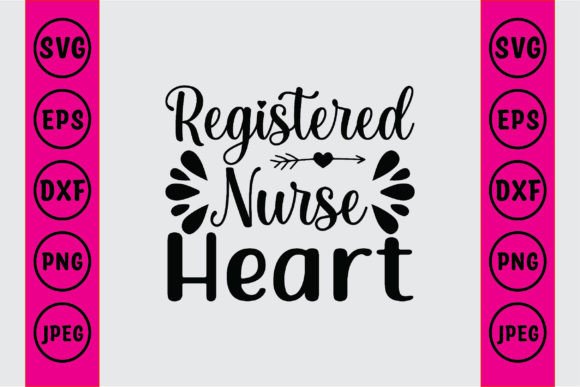
Reviewing the Registered Nurse Heart Design for Embroidery
As a designer who has spent years digitizing and reviewing machine embroidery design files, I approach every new asset with a critical eye. It is not just about whether the image looks cute on a screen; it is about how it translates to thread, fabric, and ultimately, a tangible product. Recently, I evaluated the Registered Nurse Heart graphic to determine its viability for real-world applications. This is not merely a digital download; it is a potential cornerstone for a craft business or a heartfelt personalized gift.
First Impressions and Visual Personality
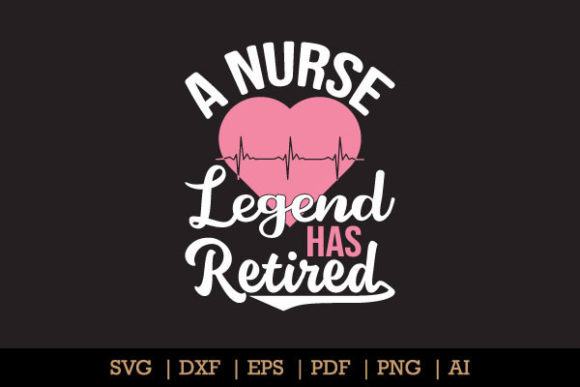
The Registered Nurse Heart immediately strikes a balance between professional pride and soft affection. The layout typically combines medical symbolism, such as a stethoscope or caduceus, with the universal shape of a heart. For embroidery designers, this duality is crucial. It avoids being overly clinical while maintaining clear recognition. The mood is warm, appreciative, and respectful, making it an ideal candidate for appreciation gifts, retirement presents, or nurse week celebrations.
From a graphical standpoint, the lines appear clean. However, when we move from Graphics to thread, we must consider complexity. A design that looks sharp in an SVG file may become a muddy mess if the stitch density is too high or if the details are too fine for a standard needle. My initial assessment suggests that this design relies heavily on clear outlines and moderate fill areas, which is generally a good sign for home machines.
Real-World Application: The Custom Tote Bag Scenario
To truly test the value of the Registered Nurse Heart, I imagined a specific client project: a custom embroidered tote bag for a nursing school graduation. The client wanted something durable yet elegant. Here, the design’s performance matters immensely. Tote bags are often made from canvas or heavy cotton, which have a distinct texture. A satin stitch border around the heart would provide a nice sheen against the matte fabric, while a fill stitch interior needs to be dense enough to cover the weave but not so dense that it causes puckering.
If I were producing this as an Etsy seller, I would likely offer this design on multiple products. It fits naturally on sweatshirts, where the softness of the fleece complements the sentimental theme. It also works well for embroidered patch creation, allowing nurses to iron or sew the emblem onto scrub caps or lab coats. The versatility of the Registered Nurse Heart makes it a strong asset for any small shop product line.
Navigating Fabric and Hoop Constraints
While the design is versatile, it is not without its challenges. Experienced makers know that context is everything. If you are stitching this onto a stretchy fabric like a jersey t-shirt, stabilization is non-negotiable. Without a proper cut-away stabilizer, the heart shape could distort after the first wash. Similarly, on dark fabrics, you must carefully select thread colors that offer high contrast. A navy blue thread on a black scrub top will vanish, ruining the visual impact.
Hoop size is another critical factor. Since the product description notes the inclusion of EPS, SVG, PNG, and DXF files, it is primarily a vector-based graphic package. This means you, the user, are responsible for digitizing it into an embroidery file compatible with your machine, or using software to convert it. You must check the dimensions before hooping. If the design includes tiny text elements like "RN" or "Nurse," ensure your hoop size allows for sufficient resolution. Tiny lettering can easily turn into illegible blobs if the stitch count is not optimized for the scale.
Commercial Viability and Brand Consistency
For commercial embroidery professionals, consistency is key. The Registered Nurse Heart offers a recognizable motif that can help build brand identity for boutiques specializing in healthcare apparel. When customers see a clean, well-stitched heart with medical elements, they associate it with quality. This builds trust. A sloppy stitch-out damages reputation, but a crisp, professional finish encourages repeat business.
Using this design in printable mockup previews can also boost online sales. Since the ZIP file contains PNG and SVG formats, you can easily place the graphic on digital images of aprons, pillows, or caps to show potential buyers what the finished product could look like. This visual aid is essential for digital product sellers who want to demonstrate versatility without physically stitching every item.
Practical Designer Notes for Best Results
Before you commit to a final project, follow these practical steps to ensure success with the Registered Nurse Heart:
- Test on Scrap Fabric: Always run a test stitch on the same type of fabric you intend to use for the final product. This reveals issues with tension and density.
- Check Thread Contrast: Use a color wheel to select threads that pop. For medical themes, classic reds, blues, and whites work well, but don’t be afraid to try teal or purple for a modern twist.
- Review Stitch Density: If you are digitizing this from the provided SVG or DXF, avoid excessive overlapping stitches. Too much density leads to stiff patches and broken needles.
- Inspect Small Details: Zoom in on the digital file. Are there tiny gaps or nodes that might cause thread breaks? Clean up the vector paths before converting.
- Verify Licensing: While the file includes various formats, always confirm the license terms. Ensure you have the right to sell finished products if you are running a craft business.
Final Verdict on the Design Asset
The Registered Nurse Heart is a solid addition to any designer’s library, particularly for those focusing on healthcare-themed Crafts. It bridges the gap between professional identity and personal sentiment. Whether you are creating a holiday embroidery gift for a colleague or stocking your online store with custom apparel, this design holds up well under scrutiny. Just remember that the provided files are graphics; the quality of your final embroidery project depends on your digitization skills, fabric choice, and machine setup. With careful attention to detail, this heart can become a standout feature in your portfolio.