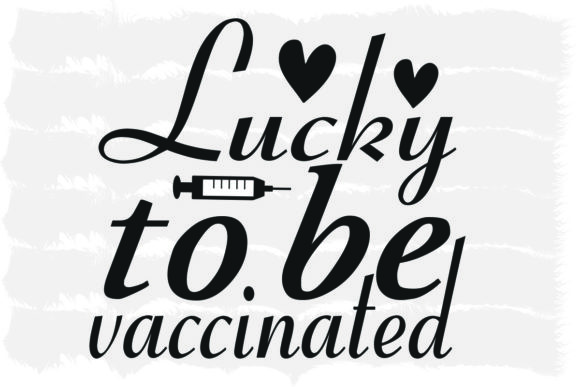
Stitching Luck: Reviewing the Vaccinated Graphic
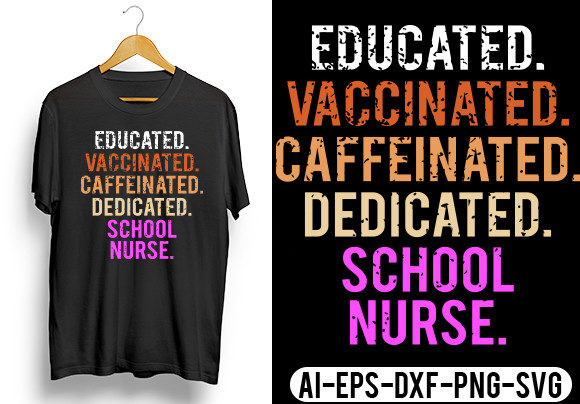
As a designer who has spent countless hours digitizing and stitching out files for clients, I approach every new machine embroidery design with a mix of curiosity and caution. We have all been there: you download a file that looks crisp on the screen, only to find it turns into a bird’s nest of thread breaks and puckering on the fabric. Recently, I came across the About Lucky to Be Vaccinated Graphic, and it immediately caught my eye not just for its timely theme, but for its potential versatility in the current market. This is not just another clip art file; it is a statement piece that requires careful handling to translate well from digital Graphics to tangible textile art.
First Impressions and Visual Personality
The first thing I noticed about the About Lucky to Be Vaccinated Graphic is its balanced layout. In the world of Crafts, simplicity often wins, especially when dealing with text-heavy or symbolic designs. The visual personality here feels optimistic and resilient. It does not scream for attention with chaotic details; instead, it offers a clean, readable structure that suggests confidence. For an embroidery project, this is crucial. Complex gradients and tiny details often get lost in translation when converted to thread, but this design appears to have the structural integrity needed for clear stitching.
The mood it creates is one of quiet celebration. It fits perfectly into the niche of personalized gifts and commemorative items. When I visualize this on a product, I do not see it as a loud political statement, but rather as a personal milestone marker. This subtle distinction is vital for Etsy sellers and small shop owners who want to offer products that resonate emotionally without being overly aggressive in their messaging.
Real-World Application: The Tote Bag Test
To truly evaluate an embroidery file, I always imagine it in a specific real-life scenario. Let us say I am preparing a custom embroidered tote bag for a local community health fair. The client wants something durable, washable, and visually appealing. I picture placing the About Lucky to Be Vaccinated Graphic centrally on a heavy canvas tote. Canvas is forgiving, but it has a distinct texture. The design needs enough density to cover the weave without becoming so dense that it causes the fabric to pucker or tear.
In this context, the design shines. Its likely use of fill stitch for larger areas would provide solid coverage, while any outlining might benefit from a satin stitch to create definition against the rougher fabric texture. If the design includes smaller elements, I would be mindful of using a running stitch for fine details to keep the profile low and prevent snagging. The result would be a professional-looking handmade product that feels substantial and high-quality, increasing the perceived value for the buyer.
Versatility Across Product Lines
Beyond tote bags, this graphic has significant potential in custom apparel. Imagine it on the left chest of a hoodie or sweatshirt. Here, the hoop size becomes a critical factor. A standard 4x4 or 5x7 hoop should accommodate this design comfortably, making it accessible for most home-based craft business owners. On softer fabrics like fleece or cotton blends, the design must be backed with the correct stabilizer to prevent distortion. A cut-away stabilizer would be my go-to choice for garments that will undergo frequent washing, ensuring the finished product retains its shape and clarity over time.
For those interested in embroidered patch creation, this graphic could work well if scaled appropriately. Patches require higher stitch density to maintain structural integrity when cut away from the backing fabric. However, one must check the original file specifications. Since these are described as digital clip art files usable for various applications including vinyl and printing, the embroidery-specific version must be verified for stitch count and density before committing to a patch run.
Technical Considerations and Pitfalls
While the design is promising, there are areas where caution is necessary. If you plan to use this on stretchy fabrics, such as performance wear or thin baby clothes, you must test extensively. Tiny lettering or intricate corners can easily pull apart on knit fabrics if the stabilization is insufficient. I recommend always testing the design on scrap fabric first. Check the thread colors you intend to use. High contrast works best for readability, but if you choose monochromatic threads, ensure the stitch directions vary enough to create visual interest.
Another common issue with graphic-based designs is the transition between color blocks. If the About Lucky to Be Vaccinated Graphic relies on sharp color changes, verify that the jump stitches are minimized or properly trimmed in the digitized file. Long jump stitches can look messy on dark fabrics or get caught in subsequent layers. For baby embroidery or delicate items, consider simplifying the design further or using lighter weight threads to reduce bulk.
Commercial Viability and Brand Consistency
For commercial embroidery projects, consistency is key. This design offers a professional aesthetic that can enhance brand trust. When customers see clean, well-stitched graphics, they associate that quality with the seller’s reliability. Whether you are creating holiday embroidery gifts or everyday small shop product listings, the clarity of this design supports a polished presentation. It works well for printable mockup previews too, allowing you to showcase the design digitally before committing to physical production.
However, always confirm licensing before selling finished items or digital products. The description mentions use for T-shirts, mugs, and decals, but embroidery rights can sometimes differ. Ensure you have the commercial license for the specific digital embroidery file format you are purchasing. This protects your business and ensures you are respecting the creator’s work.
Final Designer Notes
Before launching this design into your production line, take these practical steps:
- Test on multiple fabrics: Try it on cotton, polyester, and fleece to see how the stitch density interacts with different textures.
- Check hoop compatibility: Ensure the design fits within your machine’s maximum hoop size without requiring complex re-hooping.
- Evaluate thread contrast: Use black and white mockups to ensure the design remains legible even without color.
- Review stitch paths: Look for unnecessary jumps or trims that could slow down production or increase thread waste.
- Confirm usage rights: Double-check that the license covers the specific products you intend to sell, such as apparel or home decor.
The About Lucky to Be Vaccinated Graphic is a strong contender for designers looking to add meaningful, contemporary pieces to their portfolio. With proper technical preparation and attention to fabric choices, it can elevate a simple item into a cherished keepsake. It is a reminder that in the world of design assets, the best files are those that balance artistic intent with mechanical reality.